
Decoration Day
Beginnings

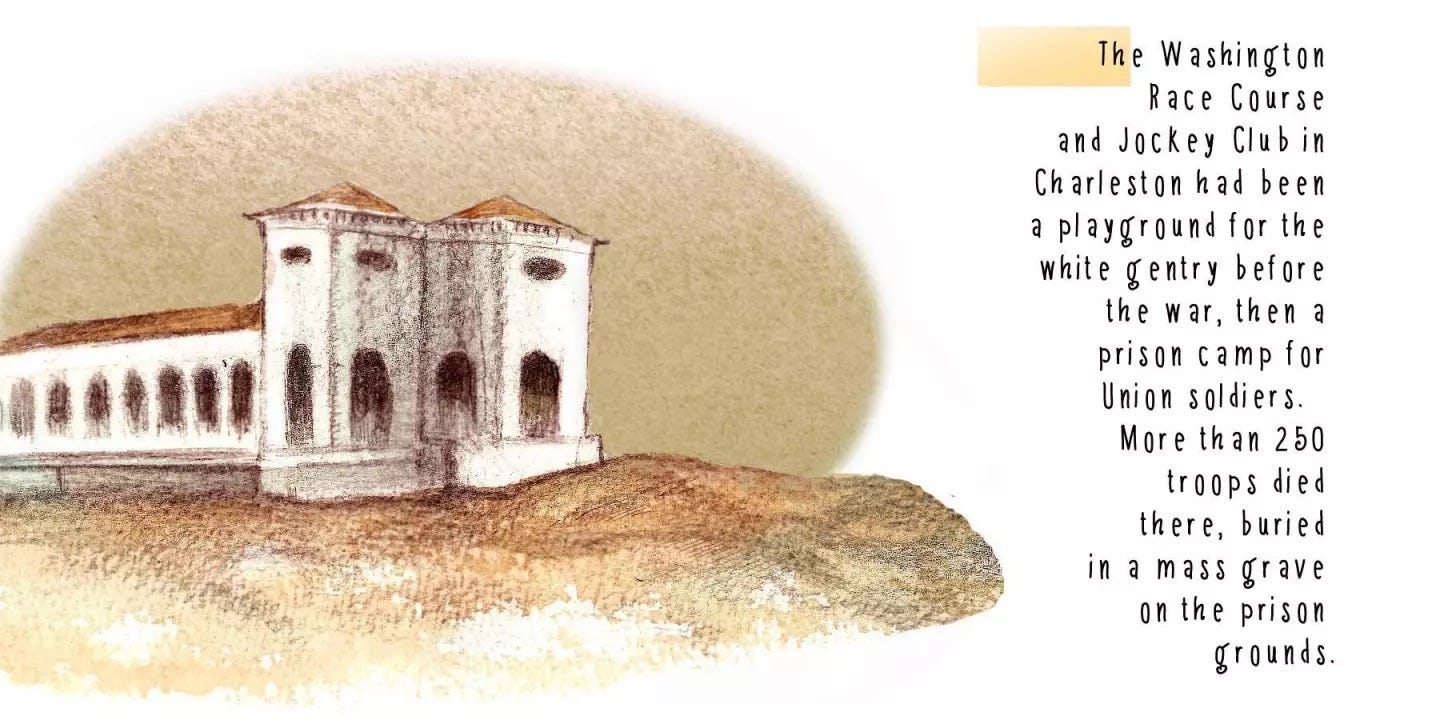
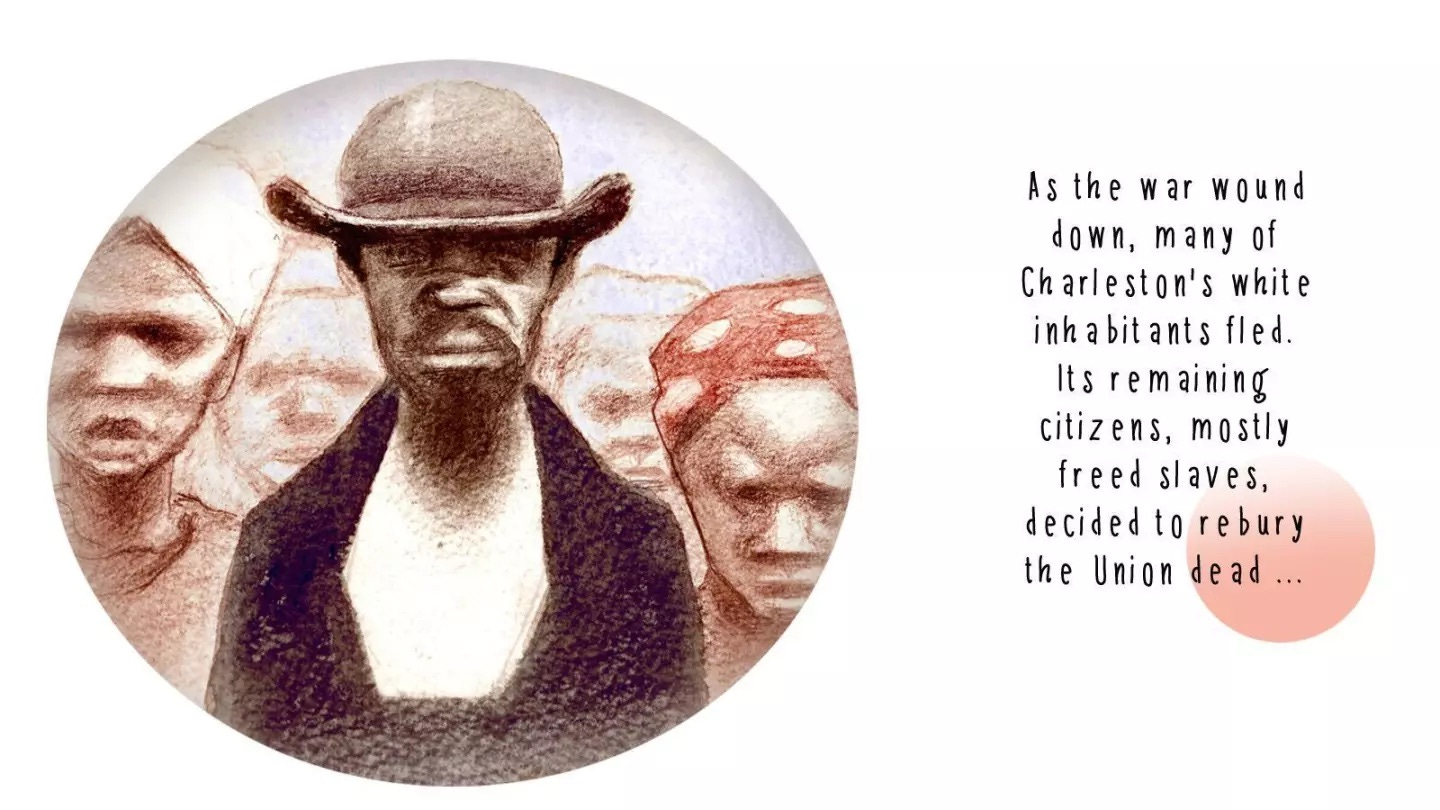
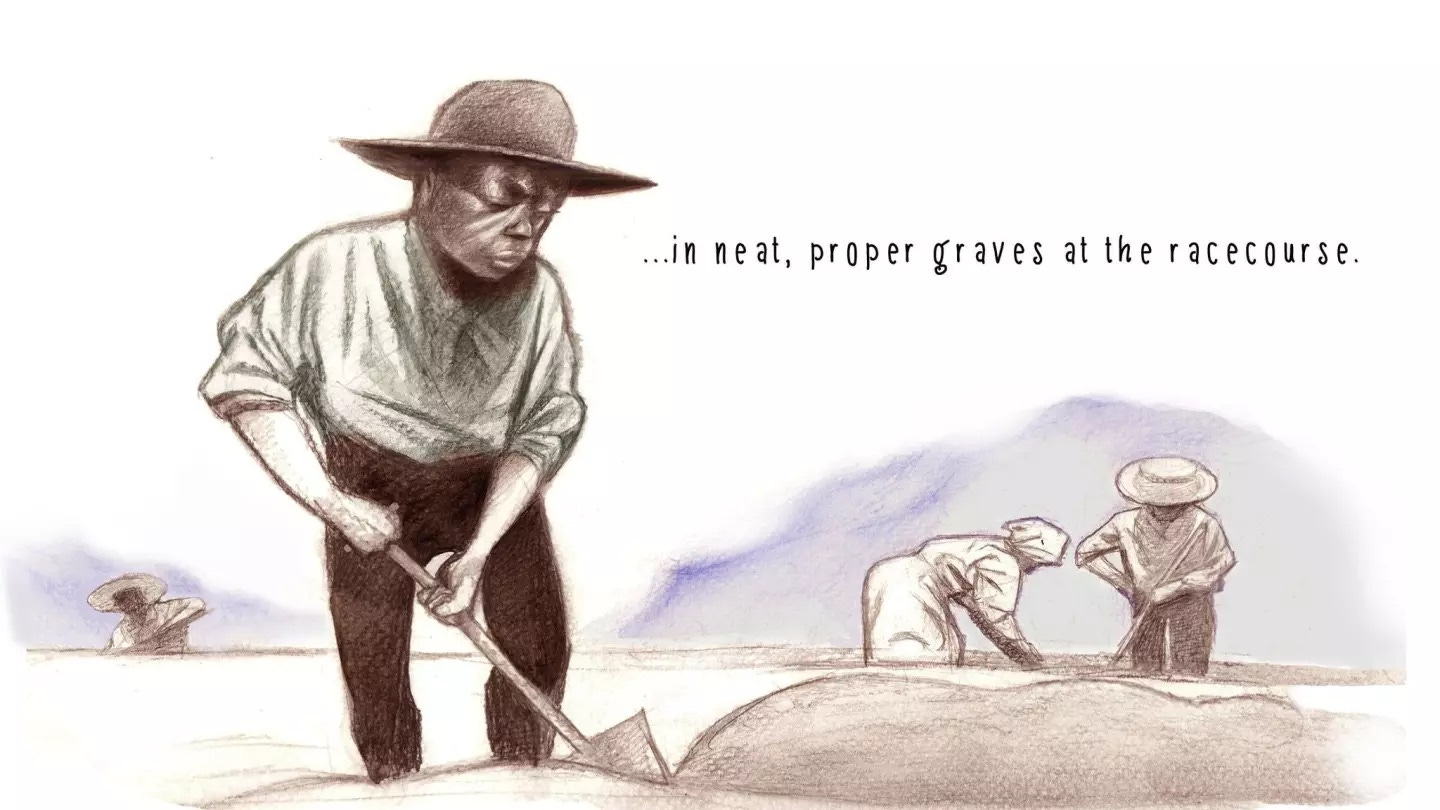
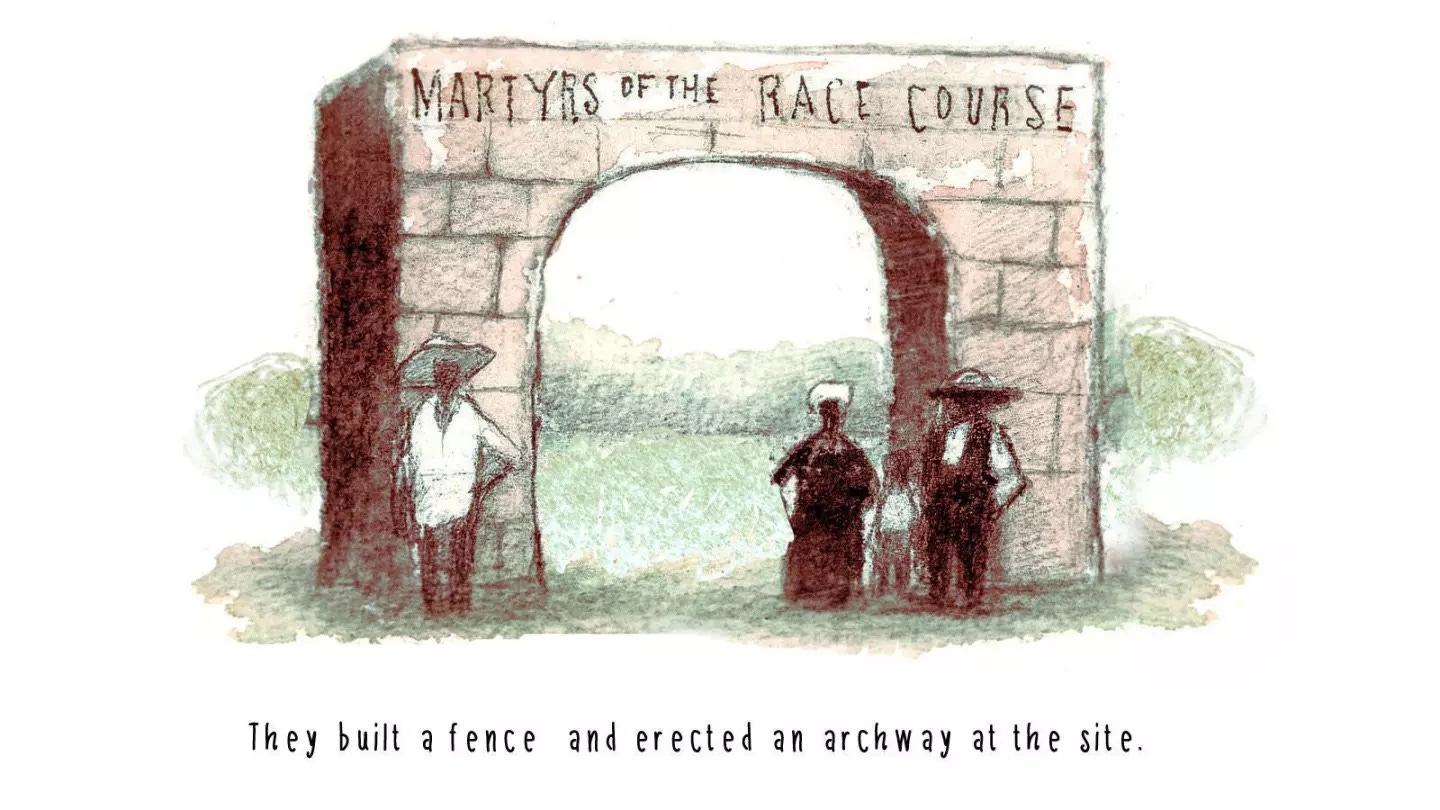
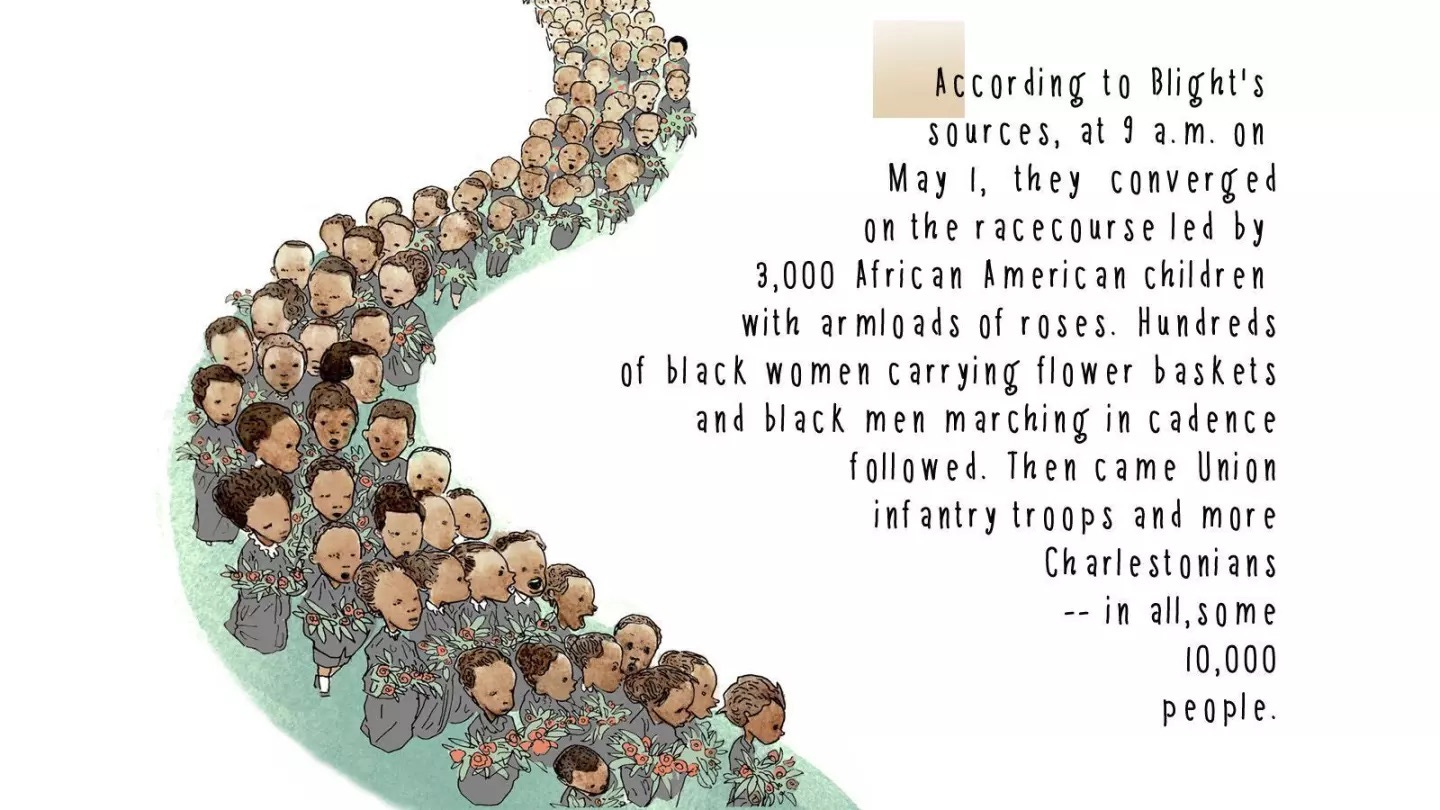
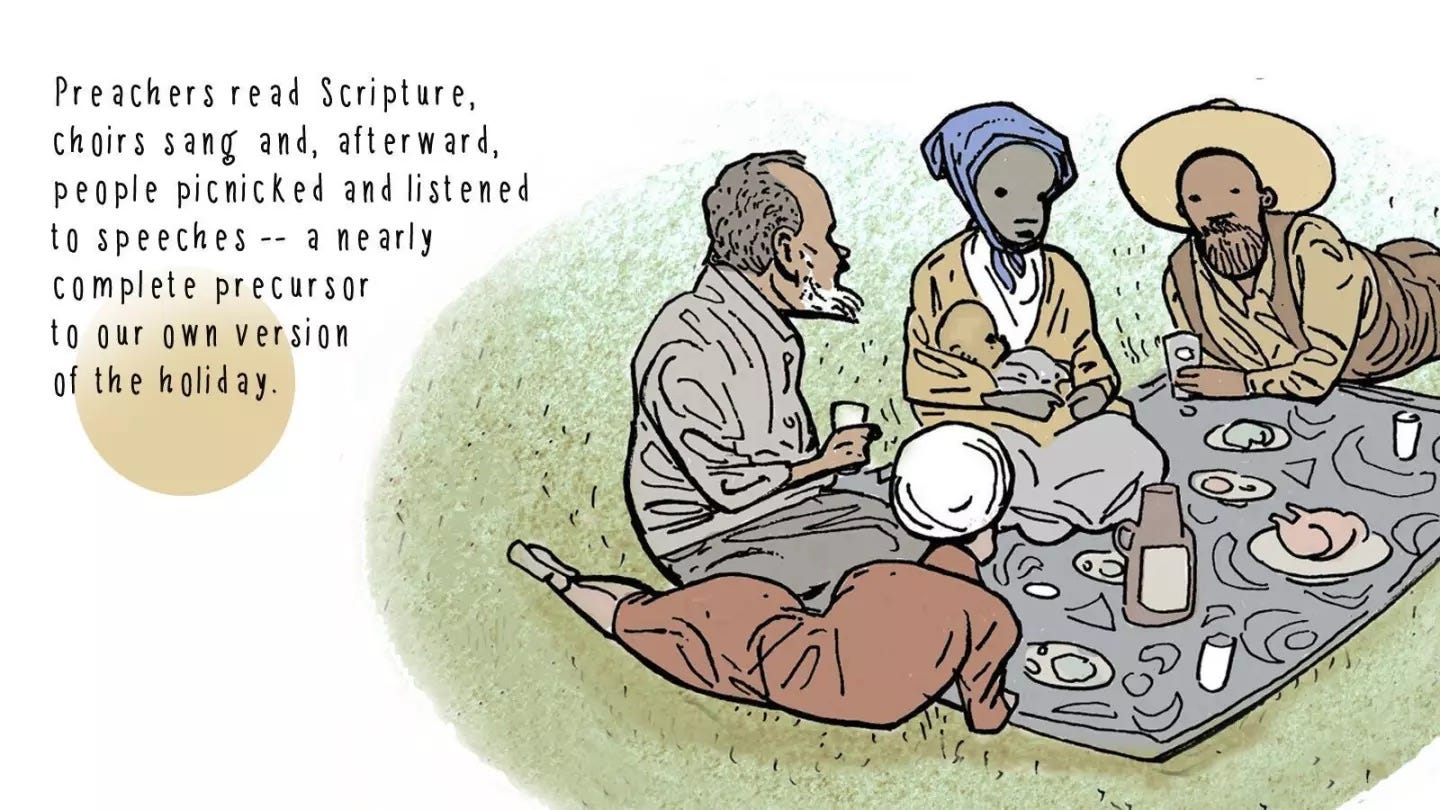
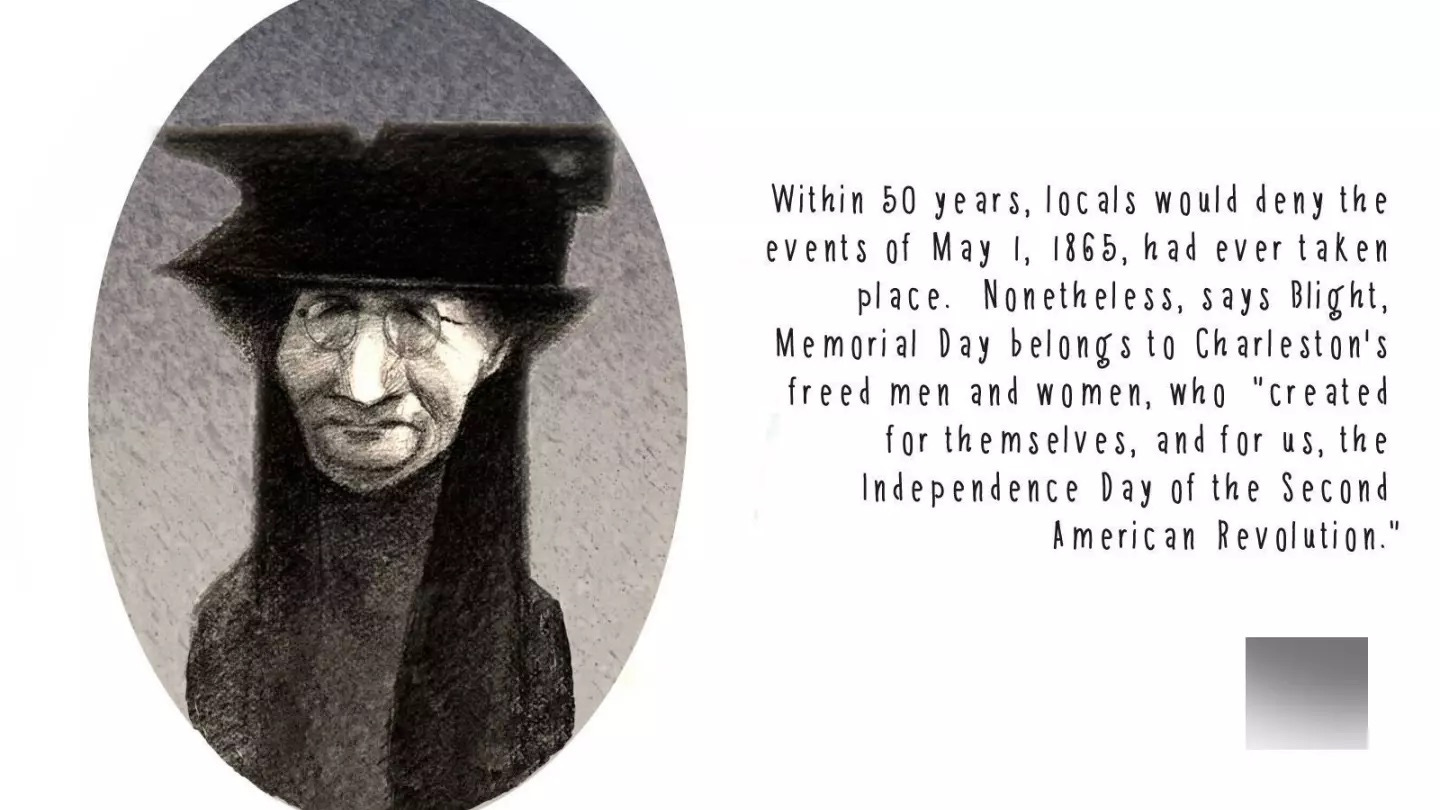
This may have been the first celebration of what we now call Memorial Day. Formerly enslaved people gathered to rebury and decorate the graves of soldiers who fought and died for their freedom. The following is true and the subject of a piece from 2015 for the Los Angeles Times.
Since 1776, the U.S. military has recorded over 1.19 million deaths, including both battle deaths and non-combat deaths.
They all believed that they were putting their lives on the line for a reason. None of them were fighting for the further enrichment of a man, a leader of the country. No one was fighting in 1776 so that Washington could acquire more land or more slaves. None spent one moment in battle to put coin in Mr. Lincoln‘s pockets. Nor another car for FDR to drive. These leaders happened to be brave and wise, and by performance, proved to the members of the armed forces that they were worthy of following, because the common cause was understood. Their eyes were all on the constitution, the flag, and home. They were fighting for the shared values of the United States.
I believe we are now fighting a new kind of war, where we will be called to action of all sorts: from educating about and interfering with ICE, to keeping education intact, to organizing for mass protest and fair elections. The US will come to understand what a severe mistake our current period was, and that it will be the number one job for all of us to make sure that guard rails are strengthened, so that nothing of this sort could ever happen again.
Here’s to the men and women over the last 250 years who gave their lives for all that is being threatened. We will see to it that, as Mr. Lincoln said, “. . . these dead shall not have died in vain -- that this nation, under God, shall have a new birth of freedom -- and that government of the people, by the people, for the people, shall not perish from the earth.”
Coda:
Marian Anderson at the JFK inauguration, Jan. 20, 1960:
Ahhh ... This should be in classrooms.
A graphic companion to Zinn's "A People's History of the United States."
That is very moving, Steve. Thanks for posting this!